Property Value Protection Singapore: moldremediation.sg
A property can look polished on the surface and still lose value because of hidden moisture and mold issues. In Singapore’s humid climate, that risk is real for homes, rental units, offices, retail spaces, and mixed-use buildings. That is why moldremediation.sg matters for owners and stakeholders who want to protect long-term asset value, reduce avoidable repair costs, and maintain stronger buyer and tenant confidence. This article explains how mold affects property value, how it shapes market perception, why recurring damage becomes expensive, and what owners can do to prevent problems before they grow.
Why mold is a property value issue in Singapore
Mold is often treated as a minor maintenance problem. That view can be costly. In reality, mold is a warning sign that moisture is not being controlled properly. That moisture may come from leaks, condensation, poor ventilation, waterproofing failure, or hidden building defects.
For property owners, the issue is bigger than appearance. Mold can affect marketability, rental performance, maintenance budgets, and the perceived condition of the property. In some cases, it may also raise concerns about indoor air quality and occupant wellbeing.
moldremediation.sg and long-term asset protection
Property value is not shaped only by location and layout. It is also shaped by condition, trust, and future risk. A unit with repeated mold complaints may attract lower offers or longer vacancy periods, even if the size and address are attractive.
That is where moldremediation.sg becomes relevant. Professional remediation helps owners move beyond short-term cleaning and focus on protecting the asset itself.
Why Singapore properties face higher mold exposure
Singapore’s climate creates a constant moisture challenge. High humidity, frequent rain, condensation around air-conditioned spaces, and poor airflow in enclosed rooms all increase the chance of mold growth.
This affects a wide range of properties, including:
- Condominiums
- HDB flats
- Landed homes
- Rental apartments
- Commercial offices
- Retail units
- Warehouses
- Managed facilities
In short, mold risk is not limited to neglected buildings. Even high-end properties can face it if moisture control fails.
How mold affects property value
A mold problem can lower property value in direct and indirect ways. Some effects are immediate, while others build over time.
Visible mold lowers perceived condition
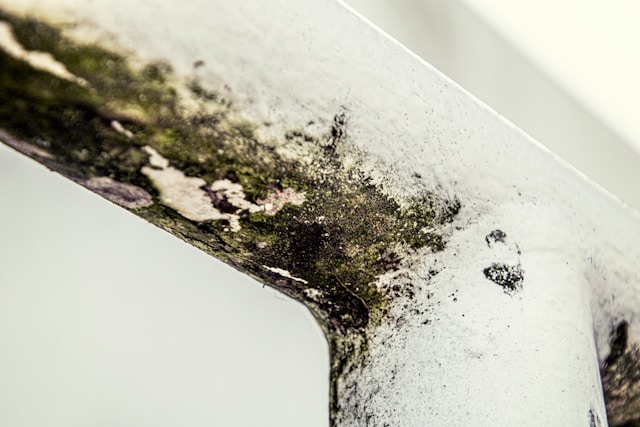
First impressions matter in real estate. Buyers and tenants notice stains, peeling paint, musty odors, and dark patches quickly. Even if the visible area is small, it can change how people view the entire property.
Once mold is noticed, many people assume there may be deeper issues behind walls, ceilings, window frames, or air-conditioning systems. That concern can weaken confidence during a viewing or negotiation.
moldremediation.sg and valuation confidence
A well-maintained property supports stronger pricing because it feels lower risk. By contrast, a property with active or past mold concerns may invite harder negotiation, repair requests, or lower offers.
Using moldremediation.sg as part of a property protection plan can help owners address the issue before it affects buyer confidence and valuation discussions.
Hidden mold can suggest larger building problems
Mold rarely appears without a cause. Buyers, investors, and tenants may wonder whether the property has:
- Leaking pipes
- Façade or window water ingress
- Waterproofing failure
- Poor ventilation
- HVAC condensation issues
- Deferred maintenance
Even if the structural elements are sound, the suspicion of wider problems can still reduce perceived value.
Buyer and tenant perception matters more than many owners expect
Property decisions are emotional as well as financial. Buyers want confidence. Tenants want comfort. Mold weakens both.
Buyers may see mold as future cost
When a prospective buyer sees mold, the reaction is often simple: this property may cost more than it seems. They may expect hidden repairs, recurring maintenance, or disruption after purchase.
That belief can lead to:
- Lower offers
- Longer decision cycles
- Requests for repairs before completion
- More detailed inspections
- Walkaways from otherwise interested buyers
A small moisture problem can therefore have a large commercial effect.
Tenants associate mold with poor upkeep
For landlords and property managers, tenant perception matters just as much. Mold may suggest that the landlord is slow to maintain the unit or that the property has an unhealthy living environment.
This can affect:
- Tenant retention
- Rental rates
- Renewal negotiations
- Online reviews or complaints
- Vacancy risk
In competitive rental markets, perception can directly influence income performance.
moldremediation.sg helps strengthen occupancy confidence
When owners act early and use professional solutions, they protect more than walls and ceilings. They protect trust. moldremediation.sg supports a stronger message to buyers and tenants that the property is being maintained properly and managed with long-term value in mind.
Mold affects building condition beyond surface damage
Mold often starts on visible surfaces, but the underlying moisture can damage far more than paint.
Mold can affect finishes and materials
Persistent moisture and mold may damage:
- Paint and coatings
- Plaster and drywall
- Timber elements
- Built-in cabinetry
- Ceiling boards
- Sealants
- Insulation
- Flooring edges and skirting
Once materials absorb moisture for too long, surface cleaning may no longer be enough. Parts may need repair or replacement.
Moisture damage often spreads quietly
One of the biggest risks is that moisture can remain hidden for weeks or months. A small leak behind cabinetry or inside a wall cavity may not be obvious at first. By the time visible mold appears, the affected area may be much larger.
This is why a reactive approach is risky. Owners who wait until the problem becomes visible often face higher repair costs later.
moldremediation.sg and root-cause correction
A proper response through moldremediation.sg is not just about removing visible growth. It should also help identify and address the moisture source, which is the key to protecting building condition over time.
Maintenance costs rise when mold is ignored
Mold becomes expensive when owners treat it as a cosmetic issue instead of a moisture problem.
Repainting without fixing the cause wastes money
A common mistake is to repaint stained walls or wipe down affected surfaces without solving the leak, humidity imbalance, or ventilation problem behind them. The result is predictable. The mold comes back.
This repeated cycle increases spending on:
- Repainting
- Minor patch repairs
- Cleaning services
- Tenant complaints
- Contractor callouts
- Temporary fixes that do not last
Over time, these repeat costs often exceed the cost of proper remediation.
Delayed action can lead to larger repairs
If mold is linked to a hidden leak or condensation problem, delay can allow more materials to become damaged. A problem that began with one wall corner may later affect adjacent rooms, cabinetry, flooring, or ceiling areas.
That turns a manageable issue into a larger maintenance event.
moldremediation.sg helps reduce wasteful repeat spending
Professional support from moldremediation.sg helps owners avoid the false economy of short-term fixes. A complete approach can reduce recurrence, improve repair quality, and lower the chance of repeated reactive spending.
The risk of recurring damage is one of the biggest threats to asset value
One-time mold incidents are concerning. Repeated mold problems are worse because they signal unresolved building risk.
Recurrence weakens buyer trust
A buyer may tolerate a past issue if it was handled properly and clearly resolved. But recurring mold suggests that the property still has a moisture problem or that previous repairs were not effective.
That can create a stronger fear of future cost and hassle, which often lowers willingness to pay.
Recurrence affects rental stability
For landlords, recurring mold can lead to repeated tenant dissatisfaction. That may result in rent reduction requests, early termination disputes, or difficulty securing renewals.
This is especially damaging in premium rentals, family homes, and professionally managed commercial spaces, where expectations are higher.
moldremediation.sg and recurrence prevention
The value of moldremediation.sg is strongest when prevention is part of the solution. Owners need more than cleaning. They need a plan to reduce the chance of mold returning through moisture control, ventilation improvement, and targeted repairs.
Inspection strategies that support property value protection
Early inspection is one of the best ways to protect a property from mold-related devaluation.
Look beyond visible stains
Not all mold issues are obvious. Owners, landlords, and managers should pay attention to:
- Musty odors
- Bubbling or peeling paint
- Damp wall patches
- Condensation near windows or AC units
- Warped wood or swollen cabinetry
- Repeated discoloration in the same area
- Stained ceilings under toilets or roof zones
These signs often point to moisture conditions that need review.
Inspect high-risk areas regularly
Some parts of a property are more vulnerable than others, including:
- Bathrooms
- Kitchens
- Utility areas
- Air-conditioning ledges
- Window surrounds
- Wardrobes against external walls
- Ceiling voids
- Storerooms with weak airflow
Routine checks in these zones can help owners catch problems before they spread.
moldremediation.sg and professional assessment
A professional assessment through moldremediation.sg can help define whether the issue is superficial or linked to a wider moisture source. That distinction matters because it changes the right response and the likely cost.
Prevention strategies that preserve long-term value
The strongest property protection strategy is preventive, not reactive.
Control moisture at the source
Preventive action should focus on likely sources of water and humidity, such as:
- Plumbing leaks
- Waterproofing defects
- Window seal failure
- Roof or façade leaks
- AC condensation issues
- Poor bathroom ventilation
- Trapped humidity in enclosed rooms
Fixing these issues early protects both the property and the maintenance budget.
Improve airflow and humidity management
Good ventilation helps reduce the damp conditions mold needs to grow. In homes and buildings across Singapore, that may mean improving exhaust systems, checking air-conditioning performance, reducing stagnant air zones, and encouraging proper airflow in enclosed storage areas.
Maintain building envelope and services
Property protection also depends on routine maintenance of sealants, drainage, plumbing, and HVAC systems. Mold prevention works best when it is part of a broader building upkeep plan rather than a one-off reaction.
moldremediation.sg as part of preventive maintenance
Owners who use moldremediation.sg strategically can treat mold control as an asset management issue, not just a defect response. That mindset helps preserve capital value, tenant confidence, and long-term usability.
Why professional remediation protects long-term asset value
Professional remediation matters because property value depends on confidence, durability, and proof of proper care.
Professional work addresses cause and condition
A qualified remediation process typically goes beyond surface treatment. It may include identifying moisture pathways, assessing damage extent, removing contaminated materials where needed, cleaning affected areas properly, and recommending preventive corrections.
That creates a more durable result than basic cosmetic treatment.
Better documentation supports owners and managers
Professional remediation can also provide records of what was found, what was treated, and what corrective action was recommended. This helps property managers, landlords, and owners demonstrate responsible maintenance.
That documentation can be useful during:
- Tenant discussions
- Pre-sale preparation
- Handover processes
- Internal maintenance planning
- Building management review
moldremediation.sg supports stronger asset stewardship
For investors and property stakeholders, moldremediation.sg supports a broader goal: showing that the asset is being protected with care, not patched only when complaints arise.
Protect your property before mold affects its value
Mold can reduce property value in ways that are easy to underestimate. It affects appearance, buyer and tenant confidence, building condition, maintenance costs, and the risk of recurring damage. In Singapore’s humid environment, the smartest approach is early inspection, proper moisture control, and professional remediation that solves the cause instead of hiding the symptoms.
If you want to protect your home, rental unit, commercial property, or managed asset more effectively, explore moldremediation.sg for property protection solutions. The right support can help you reduce risk, preserve long-term value, and keep your property in stronger condition for years to come.