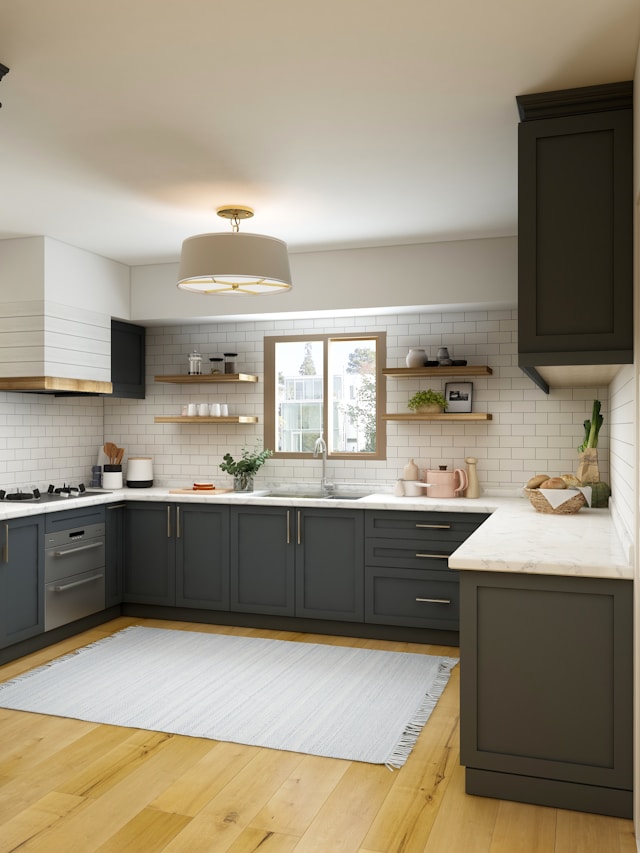
How to Choose the Best Kitchen Exhaust for Your Home Layout
A well-designed Kitchen Exhaust system is essential for keeping your home kitchen fresh, safe, and comfortable. But with so many options available, selecting the right one can feel overwhelming. The key is understanding how your kitchen layout, cooking habits, and aesthetic preferences affect the type of exhaust system you need. In this guide, we’ll walk you through everything you need to consider to choose the best kitchen exhaust for your home layout.
Why Kitchen Exhaust Matters in Home Design
A Kitchen Exhaust does more than remove smoke and odors. It regulates heat, prevents grease buildup, and contributes to a healthier indoor environment. When planned according to your kitchen layout, it can also enhance functionality and complement your design style.
Assess Your Kitchen Layout
Before selecting a kitchen exhaust, evaluate your kitchen’s layout. Your choices will depend on whether you have a wall-mounted stove, island cooktop, or compact kitchen.
Wall Kitchens
If your cooktop is against a wall, a wall-mounted hood is usually the most effective option. These hoods come in a variety of sizes, finishes, and airflow capacities to suit both small and large kitchens.
Island Kitchens
For kitchens with a central island cooktop, you’ll need an island hood suspended from the ceiling. Ensure your ceiling height allows for proper installation, usually 24–30 inches above the stovetop.
Compact Kitchens
Under-cabinet hoods or downdraft ventilation systems are ideal for small kitchens. They save space without sacrificing airflow performance.
Consider Your Cooking Style
Your cooking habits affect the type and power of the Kitchen Exhaust you need.
-
Frequent Frying or Grilling: Choose a system with high CFM (cubic feet per minute) for maximum grease and smoke removal.
-
Light Cooking: A moderate-capacity hood with adjustable speeds may suffice.
-
Baking and Roasting: Lower CFM can be effective since these methods produce less smoke and grease.
Types of Kitchen Exhaust Systems
Understanding the options will help you match your exhaust to your kitchen layout.
Wall-Mounted Hoods
Best for traditional layouts. They are easy to install and come in a range of styles, from modern stainless steel to classic designs.
Island Hoods
Perfect for open kitchens with cooktops on islands. They require ceiling mounting and often higher airflow due to exposure on multiple sides.
Under-Cabinet Hoods
Ideal for compact kitchens. They blend seamlessly with cabinetry and efficiently remove smoke and odors from small cooking spaces.
Downdraft Ventilation
These are built into the countertop and pull smoke downward. They’re perfect for minimalist kitchens or where overhead space is limited.
Ducted vs. Ductless
-
Ducted: Vent air outside. Most effective for heavy cooking.
-
Ductless: Use filters to recirculate air. Easier to install but less powerful.
Key Features to Look For
When choosing the best Kitchen Exhaust for your home, consider features that enhance performance, convenience, and aesthetics.
Airflow Capacity (CFM)
Measure the width of your cooktop and match it with the appropriate CFM. Larger stoves and heavy cooking require higher airflow.
Noise Levels
Look for models with variable fan speeds and quieter motors, especially for open-plan kitchens where noise can be disruptive.
Filter Types
-
Grease filters trap oil particles.
-
Charcoal filters absorb odors (used in ductless systems). Choose washable or replaceable filters for convenience.
Design and Finish
Your hood should complement your kitchen style—stainless steel for modern kitchens, sleek glass for contemporary designs, or hidden models for minimalist layouts.
Lighting
Integrated lighting illuminates the cooking area and enhances visibility while cooking.
Kitchen Exhaust Placement and Installation Tips
Correct Height
For optimal efficiency, the hood should be installed 24–30 inches above the cooktop. Higher placement reduces suction efficiency, while lower placement may interfere with cooking.
Duct Path
Shorter, straighter duct paths maximize airflow and minimize noise. Avoid unnecessary bends that can reduce performance.
Ceiling Considerations
For island hoods, ensure your ceiling is high enough to accommodate the hood without obstructing movement.
Kitchen Exhaust Maintenance Considerations
Even the best Kitchen Exhaust needs regular maintenance to operate efficiently.
-
Clean filters regularly, usually every 1–2 months.
-
Inspect ductwork for grease buildup annually.
-
Service fan motors periodically to prevent wear and maintain airflow.
-
Replace charcoal filters in ductless systems every 3–6 months.
Matching Kitchen Exhaust to Your Lifestyle
When choosing a Kitchen Exhaust, think beyond just layout. Your lifestyle, cooking habits, and family needs all play a role.
-
Busy home cooks: Invest in a high-CFM, ducted system for efficiency.
-
Entertaining frequently: Choose a quiet system to avoid noise during gatherings.
-
Small households or apartments: Ductless or under-cabinet systems offer sufficient performance in compact spaces.
Modern Innovations in Kitchen Exhaust
Technology has advanced significantly, making kitchen exhaust systems smarter and more efficient.
-
Smart sensors: Automatically detect smoke or heat and adjust fan speed.
-
Wi-Fi connectivity: Control your system remotely.
-
Energy-efficient motors and LED lighting: Reduce energy consumption while maintaining performance.
-
Eco-friendly filters: Use sustainable materials without sacrificing airflow.
Final Thoughts on a Kitchen Exhaust
Choosing the best Kitchen Exhaust for your home layout requires careful consideration of space, cooking style, and maintenance needs. Whether you have a small apartment kitchen or a spacious island setup, the right exhaust system ensures fresh air, safety, and comfort.
By assessing your layout, selecting the right type, considering essential features, and maintaining your system regularly, you can enjoy a kitchen that’s efficient, clean, and enjoyable to cook in. Investing in the right kitchen exhaust isn’t just about ventilation—it’s about creating a healthier and more comfortable environment for everyone who uses the space.